
Contracts Professors: Prepare to Meet Robolawyer
Do law students intending to practice in the areas of contracts and commercial law particularly need to consider the risk of being replaced by artificial intelligence? It wouldn’t hurt.
At this month’s AALS annual meeting, Harvard Law School Dean Martha Minnow made some headlines with her comments that the threat to the jobs of human lawyers from artificial intelligence is overhyped:
Minow said she didn’t see computers having a role in matters that require subjective legal judgment. “Assessment and critique of justice and justice mechanisms, I don’t see AI taking that on. Nor do I see AI taking on ethics,” she said. “I don’t mean to suggest there is no relation between AI and ethical suggestions, but I don’t think you’ll ever get rid of the human being. There will always be a need for human beings.”
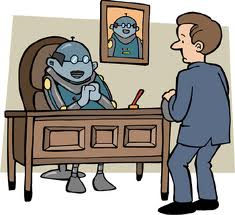
This sort of automation of transactional work is certainly underway, ranging from the drafting of basic transactional documents through websites like Legal Zoom to the intriguing use of smart contracts that can govern and enforce themselves, such as through application of Bitcoin-style blockchain technology. In short, teachers of Contracts are training students in a field with a high degree of risk of being automated out of existence.
Robolawyer is coming, so how do we prepare our Contracts students to become lawyers whose value-adding proposition is not susceptible to automation? This question has many answers, I suspect, but we won’t reach any of them unless we start by recognizing the problem.