
Today in history—December 4
1154: Nicholas Breakspear becomes the first and only English pope, as Adrian IV. He allegedly “gives ” Ireland to the English King Henry II, but his reign is short and the documents on which the crown subsequently relies are questionable.
1674: The foundations of several great law schools are laid as Fr. Jacques Marquette, a Jesuit missionary, creates the first dwelling in what will become the city of Chicago.
1682: The Pennsylvania General Assembly holds its first meeting in Chester.
1781: The first Sunday newspaper, the Observer, is founded in Britain. Comics come later.
1864: Jews in Romania are forbidden to practice law.
1902: The U.S. Senate confirms Oliver Wendell Holmes, Jr., to the Supreme Court.
1906: Seven new black students at Cornell University, aware that none of the black students from the previous year had returned, decide to create an organization for mutual support; they form the first black Greek fraternity, Alpha Phi Alpha.
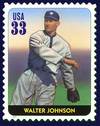 1914: Baseball star Walter (“The Big Train”) Johnson of the Washington Senators is threatened with a breach of contract action by team owner Clark Griffith, after Johnson accepts money from the Chicago Whales of the rival Federal League.
1961: The Museum of Modern Art hangs Matisse’s Le Bateau upside down. It is 47 days before someone notices.
1964: Major League Baseball votes to institute a free-agent draft.
1942: President Roosevelt disbands the Works Progress Administration; unemployment is no longer a problem.
1970 Speaking of departing news anchors, Frank Reynolds departs ABC News and co-anchor Howard K. Smith. Reynolds to Smith: “Due to circumstances beyond my control, the unemployment statistics rose yesterday.”
1988: The Baltimore Orioles trade future Hall of Fame first baseman Eddie Murray to the Los Angeles Dodgers.
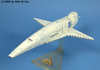 1991: Twenty-three years after director Stanley Kubrick showed it literally flying to the moon in his 2001: A Space Odyssey, Pan American airlines closes up shop.
2003: President Bush rolls back the protectionist steel tariffs he had previously imposed.