
Contracting Around the Duty of Good Faith & Fair Dealing in California
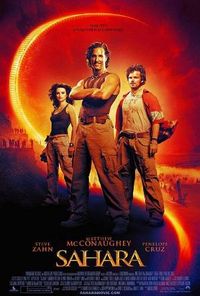
Crusader exercised its option to make “Sahara” in November, 2001. Under the terms of the agreement, Crusader was contractually obligated to start filming within 24 months. But wrangling over the screenplay, which Cussler allegedly declared to be “crap,” made it difficult for Crusader to do so. The parties eventually arrived at an impasse, allegedly due to Cussler’s insistence that he should write the screenplay and Crusader would not let him do so, both because actors did not like Cussler’s screenplays and because of concerns related to the fact that Cussler was not a member of the Writers’ Guild. When Crusader proceeded to produce and release the film, Cussler publicly criticized it, stressing that he had not approved the screenplay.
On the key issue in the appeal, the court found that Cussler had a contractual right to review and reject proposed changes to the original Approved Screenplay “for unreasonable reasons. . . or for no reason at all.” The court rejected Crusader’s argument that granting Cussler such broad discretion rendered the agreement illusory, since Crusader retained the right to produce the film using the Approved Screenplay. In short, because the contract did not require Cussler to act either reasonably or in good faith, he could not be held liable for having failed to do so.
Because the Court of Appeal reversed the trial court’s ruling on damages, it remanded the case back to the trial court for a determination of which party had “prevailed” for the purposes of determining which party should bear the costs.
[Jeremy Telman]