
The Pink Tax
Although some things bear little direct relation to Contracts Law, they are still worth mentioning here for their inherent news value and for potential classroom use by creative law professors. Here’s one such story:
Both British and American studies show that women pay an average of… 48% more for items targeted for women compared to those for men. This “sexist pricing” pattern is reflected in, for example, razors costing 11% more for women than those for men, jeans allegedly 10% more (I would personally have thought more than that, but that’s another story), skin lotion around $15 for women, but similar lotion $10 for men.
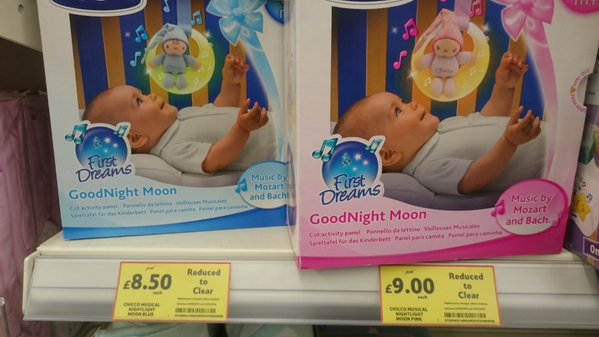
A report by the New York City Department of Consumer Affairs, released in December, found similar patterns. It compared nearly 800 products with clear male and female versions from more than 90 brands sold in New York, both online and in stores. It found that women pay more in 42% of cases.
Similarly, a bill in California calling for lawmakers to exempt tampons and sanitary pads from the state sales tax got a big endorsement in January from the board that administers the state’s sales taxes. A few other states such as Utah, Virginia and New York have introduced similar bills. Even President Obama seems to subscribe to the notion that women should not have to pay tax on products they simply have to have because of Mother Nature’s demands. When asked in a recent interview if he felt it was right that tampons are taxed, he said, “I have no idea why states would tax these as luxury items. I suspect it’s because men were making the laws when these were passed.” Well, not quite: states typically just tax all goods and exempt some. But states such as California don’t tax foods, for example. Time truly seems to have come to exempt some other goods.
British Labor Party MP Paula Sheriff sums up the issue well “[w]omen are paid less and are expected to spend more on products and services … they are charged more simply for being women.” The only thing that should also be mentioned, in all fairness, is the price of clothing and shoes. I personally find those items much cheaper than men’s clothes, but I’m also not a brand-conscious person. As long as it fits and looks good, I don’t care whether it’s called one thing or another, so my anecdote may not fit into the “pink tax” story and protests which are gaining momentum in several nations.