
More on Prince and Bowie; the Masters of Badness
I echo Nancy’s tribute below to Prince. Not only was “His Royal Badness” an amazing musician, singer and dancer, he was also able to legally wrestle with and ultimately prevail over some of the really “big boys” in the entertainment industry on issues of contract law.
But even after his death, some companies sought to take financial advantage of him. For example, Cheerios tweeted “Rest in peace” on a simple purple background, but with the “i” replaced with a single Cheerio. After fans expressed their disappointment of this, the tweet was removed just a few hours later with the company acknowledging that their note m 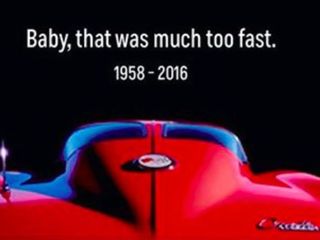
In contrast, Chevrolet is applauded for a much more tasteful tribute simply stating, on a black background, “Baby That Was Much Too Fast, 1958-2016” and at the very bottom featuring an image of a classic red Corvette, a brand that the singer himself chose to immortalize with his big 1982 hit.
Why would companies so quickly resort to using a famous person’s death to make money? Apart from the Chevrolet ad (which the Chevrolet simply would have to post, it seems, given the song lyrics) Corporate America is rumored to have felt that they did not “bank sufficiently” on the death of another music icon: David Bowie. With Prince’s death, they felt they got a great second chance. (I can no longer find the link to the reputable business magazine where I read this, which shouldn’t matter as no official statement was, of course, made from any company stating this).
With this, let’s remember two great music and business talents who both understood the importance of the Internet on contractual issues (Prince once declaring it dead, Bowie taking the opposite stance and considering it the future of interaction between musicians and their fans). David Bowie even created his own Internet service, BowieNet, to be able to reach out to fans in ways he himself could control.
As law professors, I think we can sympathize with these music icons as we also know how relatively easily big corporations can cash in on the creative works of others. Just think of how little, I have heard, authors of legal casebooks earn on each book sold; not unlike the situation in the musical world.
Rest in peace, Prince and David Bowie