
Introducing our Guest Bloggers: David Noll and Zachary Clopton
Later today, we will post a guest contribution from David Noll and Zachary Clopton.
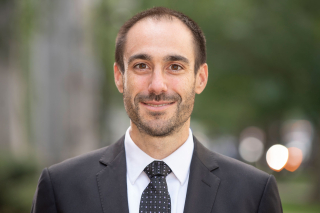
Professor Clopton clerked for the Honorable Diane P. Wood of the United States Court of Appeals for the Seventh Circuit. He served as an Assistant United States Attorney in Chicago and he worked in the national security group at Wilmer Hale in Washington, D.C. Prior to joining Northwestern, Clopton was as an Associate Professor of Law at Cornell Law School. He also was a Public Law Fellow at the University of Chicago Law School. Professor Clopton earned a BA from Yale University, an MPhil in International Relations from Cambridge University, where he was a Gates Foundation Scholar, and a JD from Harvard Law School.
His recent scholarship has appeared or is forthcoming in the Stanford Law Review, NYU Law Review, University of Chicago Law Review, Michigan Law Review, California Law Review, and Cornell Law Review, among others. His public writing has appeared in Slate, Politico, The Hill, and others.

Professor Noll’s recent scholarship has appeared or is forthcoming in the Michigan Law Review, Minnesota Law Review, New York University Law Review, and California Law Review, and his popular writing has appeared in venues such as Slate, Politico, and the New York Law Journal. He also co-authors a leading casebook on the federal administrative process, Legislation and the Regulatory State.
We are grateful to Professors Clopton and Noll for letting us share their work with our readers, and we look forward to your comments on their post, which will appear later today.