
Reflections on Socratic Teaching II: Metempsychosis
This is the second post in a series explaining my limited and idiosyncratic approach to Socratic teaching. The first post is here.
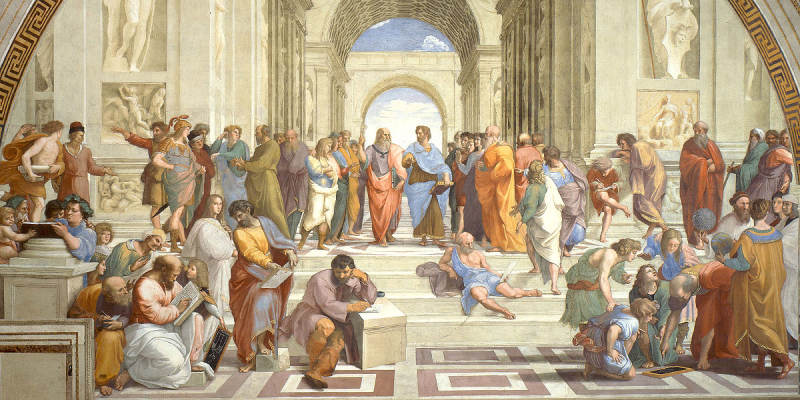
Here is the story that I tell myself and my students about Socratic dialogue. Socrates (or at least Plato’s version of him) had a theory of education that assumed the transmigration of souls. The people whom Plato questioned (often called “stooges” but let’s call them “interlocutors”) did not think they knew the answers to his questions. Plato disagreed. He thought the interlocutors knew, because they had a huge store of knowledge from past lives. He believed that by asking them a series of questions cunningly designed to enable them to recall their past knowledge and then allowing them to use logic to draw conclusions based on that knowledge, they would arrive at something like wisdom. Plato’s Socrates would not have to argue or convince them of anything; they would have convinced themselves by consulting their own internal resources.
I do not believe in the transmigration of souls. But I do believe that my students have done the reading. They may not have fully understood the reasoning of the cases they have read, but hopefully they briefed the case or took adequate notes so that they at least know the facts, the procedural history, the legal issues identified by the court, and who won. My hope is that in each Socratic exchange, by asking the right questions in the right order, I can help the student piece it all together and end up explaining the doctrine, in all its beauty and subtlety, even if the student could not have done that without Socratic prodding.
Sometimes, I get off to a bad start. I ask the wrong question or I ask the questions in the wrong order. The student is like a turtle that I have accidentally tipped onto its back. This is no cause for panic. I have to step back and establish through gentle Socratic prodding what the student does know about the case. And we begin the process again from there until the student, aided by my prodding, can right themselves, as illustrated below.
This process is hard. It takes patience, and it does not work in each instance. I have seen TERRIBLE Socratic classrooms in which some students are humiliated and others are bored and frustrated because they know that the students on call are getting everything wrong. Sometimes those classrooms are mine.
But most of the time things go pretty well. I find it especially rewarding when the student gets flipped over and is temporarily discomfited but can be righted and works their way to the correct legal analysis. There was a moment when the student might have doubted their abilities, but in the end, they figured it out, and not because somebody told them the right answer. They knew it all along but, like Plato’s interlocutors, they didn’t know they knew.
This is really valuable for lawyers-in-training because they are not far from the world in which they are going to be working without a net. I won’t be there to point them in the right direction, and law firms don’t have the resources these days to provide extensive mentorship or training. They will have to figure things out on their own, and I hope the Socratic method will help them to realize that they are up to the task.
Tomorrow, Part III: Responses to Tanya Monestier’s criticisms of Socratic teaching.