
Squid Game and “Opportunity”
Last month, Nancy Kim introduced me to Squid Game with this post. I read the post and thought, “I’m glad Nancy watched that so I don’t have to. Ultra-violent sadistic television show that portrays our current economy as a savage murderous game engineered to extinguish the hopes and dreams of ordinary folks? Who needs that? I have my life.” Meanwhile, unbeknownst to me, my bloodthirsty wife was reading up on the series and getting the popcorn ready. I’ll do anything to put off for a time my promise to my students to listen to Taylor Swift’s music, so we watched the first episode. Unlike Ms. Swift, the show is holding my interest, and then some. It’s a really smart, well-conceived series. I could use a little less violence and sadism, and I could have passed on the strobe effects in episode 3 (or was it 4?), but maybe that’s just me.
In any case, right at the beginning of Episode 2, “Hell,” there’s an interesting contracts moment. After the first game, the players are begging to be allowed to leave. The guards/men in pink tell the players that they have been given an opportunity. The situation presents a variation of a classic riddle of the law of coercion. The coercing party claims to be making an offer: e.g., I’m offering you, desperate, insolvent business, an opportunity to get paid off early. In exchange, all I ask is that you accept my payment of 35% of what you claim I owe you as payment in full. Or, in a situation that’s a little closer to the Squid Game situation, “Hey, shipwreck, I’m offering to save you; all I ask in return is that you surrender your cargo to me.”
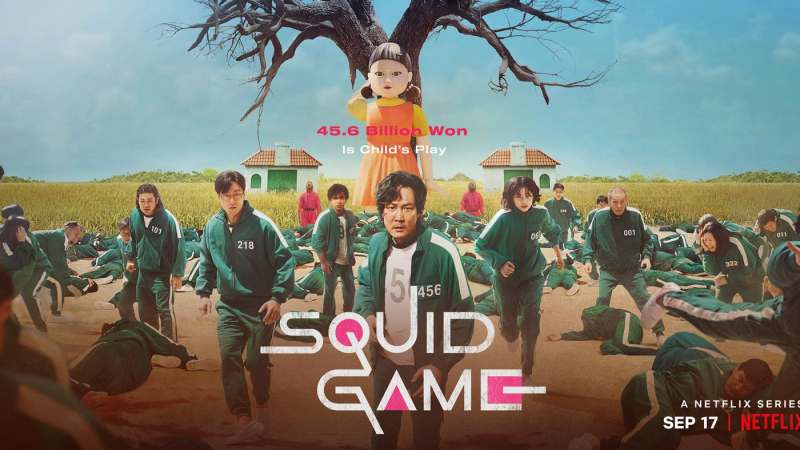
The law does not turn on the formal aspects of the “offer.” The law of coercion does not turn on whether the offer is posed as an opportunity or a threat. I offer my students the opportunity to hear me sing. They know a threat when they hear one. But in the context of economic coercion, it can be very difficult to differentiate opportunities from threats.
Without giving away too much of the plot, I would venture that the problem with the agreement at the heart of Squid Game is not so much coercion as illegality.