
Seth Barrett Tillman in Arbitration Dispute Over Who Won the US Senate in 2022

In his spare time, it appears, Professor Tillman takes his chances with Lady Luck, and he has duly posted to SSRN his submission to the UK-based Independent Betting Adjudication Service (IBAS) in his dispute with Paddy Power, one of the leading, if not the leading bookmaker in Ireland.
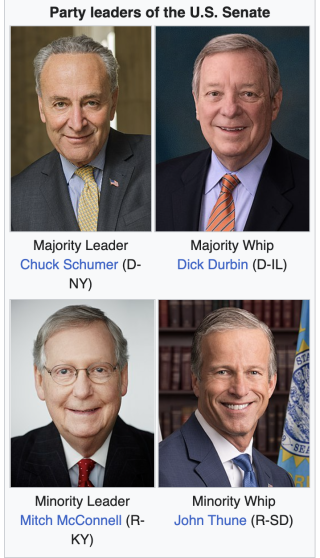
According to the undisputed facts, on October 31, 2022, Professor Tillman placed two bets for an undisclosed amount at a Paddy Power establishment. If I understand the nomenclature correctly, he bet on a Democratic majority with odds at the time of 9-1. Once Senator Warnock won his run-off election on December 6th, the tally stood at 51 Democrats to 49 Republicans. Professor Tillman attempt to collect his winnings, visions of early retirement no doubt dancing in his head. But here the fun begins, and this is just the sort of dispute where Professor Tillman’s gifts really shine.
In April, 2023, the IBAS issued its decision, finding that there were good arguments on both sides and therefore the bets should be voided. I assume this means that Professor Tillman should receive the undisclosed amounts he wagered rather than the nine times that amount that he sought. Professor Tillman’s argument was that the Democrats won the election, and everybody knows it. PP’s argument was that Professor Tillman should have read PP’s terms and conditions before placing his bets.
The problem is, as Professor Tillman notes in his appeal, PP never provided notice of its terms and conditions. They were not printed on the ticket he purchased, nor were they anywhere visible in the shop where Professor Tillman placed his bets. Nor was he notified of terms and conditions by the PP employees with whom he interacted. Rather, PP claims, Professor Tillman was on notice because the terms and conditions are “available” on the PP website, where he could have found the following “rule”:
Politics-Election Rules…. Senate/House of Representatives Majority: A majority of seats requires either party to control more than half of the seats following the elections. Independent or any other party Senators caucusing with either the Democrats or Republicans will NOT count for the purposes of this market.
That’s a fine rule, and if it applies to Professor Tillman, he should lose. But how can it apply when he never saw it, was never notified of its existence, and was not incorporated by reference by any language on his ticket? Moreover, by its own terms, the terms and conditions available online only apply to bets placed through PP’s online services. But there’s more! Those rules also apply only to people who register for PP’s online services, which Professor Tillman never did!
Professor Tillman also argues that PP should come forward with evidence that the rule in question was posted on its website before Professor Tillman bought his ticket. It is not clear that such evidence exists.
But here’s the kicker! Even if the IBAS decision were not completely wrong to apply PP’s online terms and conditions to Professor Tillman’s transaction, it also got the law wrong, making up two legal standards for which Professor Tillman could find no authority. There is no rule that “bets are settled according to the bookmaker’s terms and conditions,” nor does the idea that the “onus is on customers to read those terms and conditions” have a legal pedigree. Rather the common law of contracts should apply. At least in the United States, under that law, the onus is on the merchant to notify the customer of the applicable terms and conditions, which PP did not do in this instance. See Lefkowitz. Mr. Lefkowitz was not bound by a “house rule” that its offer was available to “ladies only.” If that’s your rule, put potential buyers on notice! One would expect the same rule to apply in Ireland.
Alas, on May 31st, the IBAS issued its final opinion. Professor Tillman contended that some submitted evidence had been misunderstood while other submitted evidence had been overlooked. On appeal, the head of adjudication rejected both positions, finding that the problem was not that the original decision had overlooked or misunderstood evidence. Rather, it considered Professor Tillman’s evidence but disagreed with his legal contentions. In fact, the head of adjudication scolded, the original decision was generous in voiding the bets, because under PP’s rules, Professor Tillman’s bets were losers. Next time, before placing a bet, Professor Tillman should inquire as to all applicable terms and conditions.
Boo!