
Mistaken Art Sale Case from France
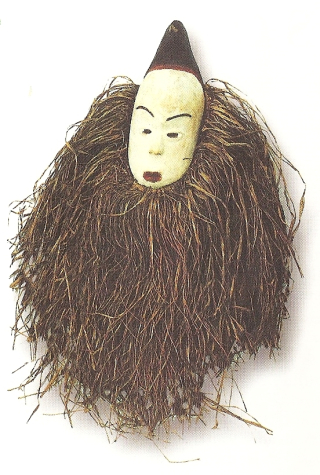
Different country, same result, When you don’t perform your due diligence before selling a valuable art piece, courts will not allow you to rely on the doctrine of mistake to rescind the sale.
In this case, as Theo Farrant reports on Euronews here, an elderly French couple sold an African mask for €150. They called a local second-hand art dealer, as they wanted to clear out what they thought was “junk” that had accumulated in their second home. Along with the mask, they sold some spears, a bellows, some musical instruments, and a circumcision knife. Apparently, none of these other items were especially valuable, but the mask then sold at auction for over €4 million. In October, the couple sued the buyer, claiming that he knew the mask’s true value.
The state of Gabon attempted unsuccessfully to intervene in the case, claiming that the mask was stolen property. The court found insufficient evidence of theft. The elderly couple descended from a colonial governor of Gabon. He may have received the mask as a gift.
In December, Anca Ulea wrote a follow-up story for Euronews, reporting the unsurprising result that the court refused to excuse the couple’s “negligence and carelessness.” Ouch. Seems to me that at most one of those adjectives would have sufficed. Or the court could have been less judgy still and just said that, regardless of level of care, they bore the risk of their own mistake.
That said, the couple does not become more sympathetic when we learn that the buyer, upon discovering that the mask was rare and valuable, offered the couple €300,000. They refused and chose to sue. They had something that they considered “junk.” They were happy to take €150 for it. Offered 2000 times that amount, they instead became litigious and got nothing.
The incident brings me back to my wonted bewilderment about art markets. The buyer offered the couple €150 because his amateur research suggested that what seemed like similar items had about that value, and no auction house was interested in the item. So here we have a thing that was in this family for perhaps 150 years. Nobody in the family wanted it. There seemed to be no market for it. It was an exotic piece of junk. A group of experts determined that it was was an extremely rare artifact, one of only ten remaining the world.
So there is a small clerisy of people who appreciate the rarity of the item. And then there is a second group of people who have the means to purchase the item. Most likely, the two groups do not overlap, and the people who want the item are interested mostly as an investment. I mean, they are not vulgarians, most likely. They recognize that it is an arresting artifact, worthy of admiration. But they may only value that in the thousands, not in the millions. The rest of their interest derives from exchange value. They may make the piece available to the people of Gabon; they may allow experts to study the object and use it as a teaching tool. They need not do so. They may display it in their home. They may store it. They may burn it. Our system is not a good one if the object is to preserve and curate valuable works of art and artifacts or to make them available for the edification and aesthetic enjoyment of the public.

Hat tip: Wayne Barnes.