
Homeowners Insurance and the Case for Regulation
First, a confession. Four years into my residency in Oklahoma, I have never been to Enid, OK, which is just ninety miles from my home in Oklahoma City. For a small Oklahoma town, it has many claims to fame and attractions. However, as Christopher Flavelle reports in The New York Times, Enid also boasts the highest rates for home insurance in the country. That seems odd, as Enid is not prone to all-consuming forest fires. Hurricanes do not threaten Oklahoma shores, in part because we are landlocked (at least so far), and for the same reason, houses tend not to collapse into the sea here. Now that the fracking boomlet has abated, Oklahoma is not threatened by earthquakes either.
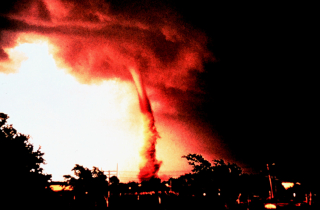
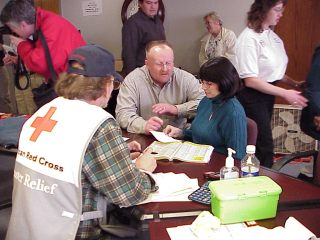
Oh, come on! It’s as if the Enid Tourism Board got together and said, “Hey people, Enid is not just a city threatened by killer tornadoes. We have ice storms too!”
By the way, Enid also holds the record for urban rainfall. During the Enid flood of 1973, it received 15.68″ of rain, causing people to cut holes in their roofs to escape. Nine people died.
But honestly, since 2002, the weather has been great in Enid. Well, there was a tornado in 2009, but it only did property damage. Hardly worth mentioning.
The New York Times thinks the problems go beyond marketing. Rather, home insurance rates are higher where the industry sets rates relatively free from regulation:
Higher premiums are being charged in states where regulators apply less scrutiny to requests for rate increases, compared with states where officials question the justifications offered by companies and try to keep rates low.
While weather conditions certainly explain some disparities in home insurance rates, there is often a misalignment between risk and insurance costs. So, for example, the typical homeowner in McCurtain County, OK paid $2,837 for insurance, but if they were to move across state lines to Arkansas, they would pay only $1,673. The risk to property from weather seems to be the same in both locations, and the Times provides no reason to think that property values are significantly higher in Oklahoma than they are just over the state line in Arkansas. While people on average pay $500 in insurance for every $100,000 in real estate value (or 0.5%), in some states insurance rates can be as low as 0.05% or as high as 2%. In Enid, it is 3.5%. These rates seem to have nothing to do with risk factors, as Californians pay very low home insurance rates despite the high risk of forest fires, torrential rains, earthquakes, and Lex Luthor.
Regulation, of course, is not the only factor that explains these disparities. The Times reporters do a fabulous job explaining the factors that go into the different rates homeowners pay for insurance. It’s worth a read.