
Woke Court Mostly Denies Albertson’s Motion to Dismiss Drowsy’ Woman’s Complaint and Class Allegations
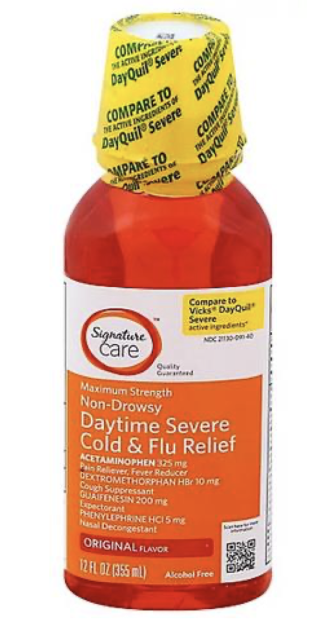
In Gibson v. Albertson’s Companies, Inc., the District Court for the Eastern District of Illinois denied the motion to dismiss the class allegations and granted the motion to dismiss the complaint’s warranty claims and with respect to products that Ms. Gibson did not purchase. We will skip over the denial of the motion to dismiss the class allegations, because that’s a matter of civil procedure and not contracts. The issues relating to plaintiff’s standing to bring class allegations relating to products that she did not purchase are similarly procedural and thus barred from this Blog. There is an interesting discussion of federal pre-emption issues, but that is really a matter of U.S. constitutional law.
The part of the opinion that is of concern to this Blog really begins on page 28, when the Court undertakes a discussion of the claim for breach of an express warranty. The Court dismissed the express warranty claim because Ms. Gibson did not give Albertson’s adequate notice of her claims as required under UCC §2-607. Ms. Gilbert gave notice in a timely manner, notifying Albertson’s of her dissatisfaction one month after her purchase of the offending cough syrup. However, she filed her suit four days later. As the purpose of the notice requirement is to give the defendant the opportunity to address the alleged breach of warranty, sending by mail a notice of dissatisfaction is inadequate, at least when the defendant is a behemoth such as Albsertson’s, where it takes some time for the issue to percolate through the appropriate filters.
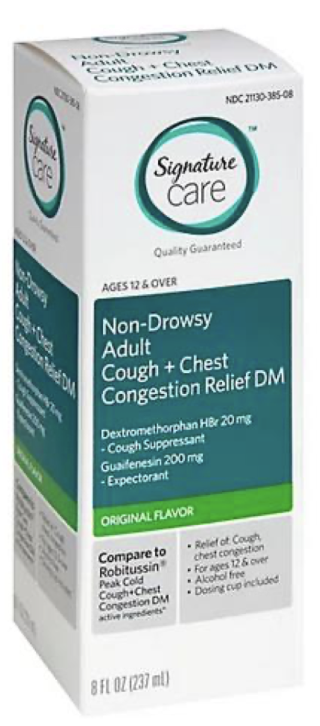
I’m happy to have discovered this case. I’ve never had a good case for teaching the § 2-607 notice requirement. Now I do.
In order to state a claim under the Magnusson Moss Warranty Act (Mag-Moss) claim, one has to have a warranty claim under state law. Because the notice issue was fatal to the Mag-Moss claim, the Court also dismissed Ms. Gibson’s Mag-Moss claim.
The case can now proceed, with its class allegations intact, as to all claims except the warranty claims and as to all products that Ms. Gibson purchased.