
Another Fact Pattern on Mistake: The Harvard Magna Carta
The last five years have been rich in mistake cases. In 2025, there was the N.C. Wyeth painting bought at a thrift shop for $4. In 2024, we brought news of a rare African mask sold in France for €150, and of a rare brooch bought at an arts fair for $35 . In 2023, there was a scrivener’s error case involving some heavily discounted earrings, and we had a guest post by Jeff Lipshaw about a scrivener’s error in an employment agreement. The First Circuit recently reversed and remanded that decision, so expect another post soon. 2021 brought us a trio of cases. There was a drawing by Albrecht Dürer bought at an estate sale for $30, doors from the Chelsea hotel saved from the scrapheap and sold for $400,000, and the case a Ming Dynasty Chinese bowl bought for $35 at a garage sale.
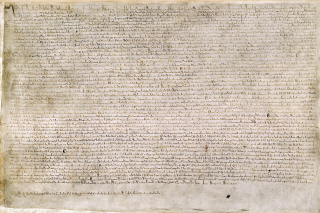
And so we come to the story of the recent discovery that, as reported in Harvard Law Today, Harvard University bought an “original” Magna Carta in the 1940s for $27.50. Given that the typical price range for hidden treasures is $30-35 in current dollars and adjusting for inflation, I think Harvard got taken. Scholars from London College and the University of East Anglia have established that Harvard’s version is one of seven surviving original copies from Edward I’s issue of Magna Carta from 1300.
As is often the case with such mistake cases, much of it is bewildering. Harvard bought the document from a London book dealer, which bought the document from a British war hero (though Sotheby’s). Someone (probably Sotheby’s) dated the document to 1327 and it was described in the auction catalogue as “somewhat rubbed and damp-stained.” I wonder: a) how a war hero ended up with such a rare document; b) how Sotheby’s (or whoever) missed that the document was an Edward I original; c) how nobody at Harvard even thought to check up on the provenance of the document; and d) why 27 years differentiate something that we would now value in the hundreds of dollars from something that we should consider “priceless.” The story from Harvard Law Today provides a partial explanation for a) but not for the rest.
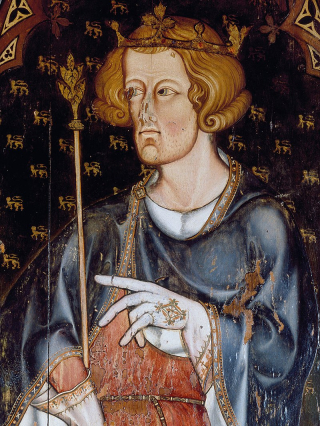
The basis for concluding that the manuscript is an Edward Longshanks original seems pretty straightforward. I’m sure there’s more to it than this, but the reporting suggests that it is an original because it is the right dimensions, uses the same handwriting, and has no mistakes in it. Why it is inconceivable that someone came along 27 years after Edward I’s originals were issued and made a perfect copy eludes me. I thought there were super-scientific processes whereby some one takes a few fibers of the original manuscript and establishes that they could only have come from King Edward’s preferred parchment provider, which shuttered its premises in 1301. If such an analysis has not been undertaken, color me skeptical, and I am free to express my skepticism thanks to Magna Carta.