
Reefer Brief: Illegality and Conditions Precedent in the Sale of Marijuana Business
J&J&D Holdings LLC (J&J&D) entered into an agreement to purchase a medical and adult-use marijuana cultivation business operated by Central Coast Horticultural, LLC (CCH) for $5 million. The transaction was subject to two conditions precedent. First, Donovan Wade, a party affiliated with J&J&D had to receive approval from the Michigan Cannabis Regulatory Agency (the “Agency”) for “prequalification status as a medical and adult use marihuana license holder in Michigan.” Second, J&J&D had to be satisfied after a due diligence review of the premises, the inventory, and the books.
This is pretty exciting stuff. 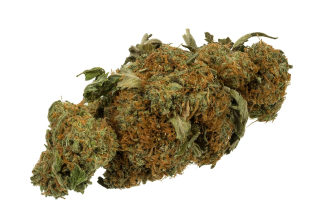
Unfortunately, in CCH Acquisitions, LLC v. J&J&D Holdings, LLC, U.S. Magistrate Judge Kimberly “Buzzkill” Jolson decided the case based on illegality. The reasoning is straightforward, but the world of commerce in marijuana is confusing. CCH’s business was legal under Michigan law, but it was illegal under the federal Controlled Substances Act of 1970 (CSA). The only tough issue for the court was whether plaintiff could obtain any relief notwithstanding the agreement’s fundamental illegality.
CCH first argued that the Court should order specific performance, but that avenue was foreclosed here. An order of specific performance would entail ordering J&J&D to purchase $500,000 worth of marijuana plants, which are a controlled substance, the sale of which would amount to a felony under federal law. In the alternative, CCH asked for damages, but the Court found that it could not disentangle any part of the transaction from the illegal business at its heart. This case is sort of the opposite of Carroll v. Beardon. There, the court treated the sale of a brothel as an on-going business as an ordinary and enforceable real estate deal. Here, the Court refused to disaggregate the lawful parts of the transaction from its core unlawful purpose.
CCH raised claims other than breach of contract, but it did not answer any of J&J&D’s arguments for why those claims should be dismissed and thus forfeited them. If it were to reach the merits, the Court noted, it still could not “order specific performance or otherwise get in the weeds of Plaintiffs’ marijuana business without transgressing the CSA.” I see what you did there, Judge Jolson.
I suppose this means that people in the industry have to operate on the basis of gentlemen’s agreements. No court will enforce their agreements if they are not performed, so you want to operate at all times with the understanding that, if your counterparty breaches, courts will leave you where they find you. Imagine how bad things would look for CCH if J&J&D had insisted on taking possession of the inventory for the purposes of exercising due diligence before announcing that the entire contract was illegal and unenforceable.