
We Can No Longer Have Nice Things: The 2026 Jessup Competition
I don’t really have any material that seemed right for an MLK Day post. This is the closest I could come. I apologize for the alarmist title. There will be a 2026 Jessup International Moot Court Competition, but it will be different from and inferior to how it has been run in the past. The fault lies not with the extraordinary and selfless organizers of the Jessup Competition. It lies with the immigration policies of our federal government.

In addition to teaching contracts, I also teach public international law. When I started in the legal education biz, I thought that the interface of international law and constitutional law/national security law would be my main gig. I still teach public international law every year to students who are increasingly skeptical that the course is really about law, and under the current administration the U.S. is probably among the leading states that question the binding nature of the post-war international legal regimes of which we were the principal architects. The Jessup Competition is one mechanism for familiarizing students with the richness and variety of the sources of international law and the manner of legal argument in that realm, and so I have been involved with the Jessup Competition most years since I started teaching in 2004.
For students from outside of the United States, the Jessup Competition can be a central and formative part of their legal education. My job as faculty advisor to a U.S. team is fairly hands-off. I teach the international law course. Before the problem comes out, I help the team members familiarize themselves with the subject matters to be covered, and then I mostly get out of the way and let them work until it comes time to moot them. I have learned from international Jessup coaches of three-year selection processes, preliminary competitions that help the coaches to identify the most promising oralists, and endless drills and feedback. Jessup embraces the idealistic perspective that “In the future, world leaders will look upon each other differently, because they met here first, as friends.”
Recently, I learned from the Jessup organizers, that seventeen international teams will be unable to attend the competition, either because they come from countries subject to visa bans imposed by our federal government or because their members would have to pay a “visa bond” of up to $15,000 to come. As a result, Jessup has no choice but to go “hybrid” for the coming competition, and it will likely have to continue to operate on that basis until this nation of immigrants recalls what truly made it great.
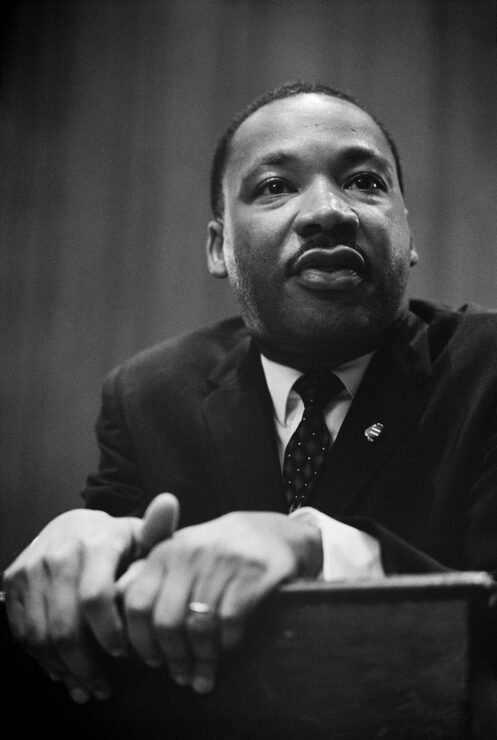
The Jessup Competition envisions a world that brings people of different races and ethnicities together to evidence the universalities that bind us. Principles of general law, customary international law, and moral norms so broadly adopted that that become binding legal norms are the legal heritage of humankind common to all of us. On this MLK Day, what once was a reality of people judged not by the color of their skin but on the content of their characters seems to be in danger of fading like a dream.