
Ford Motor Cannot Arbitrate Without Privity
Plaintiffs in consolidated cases alleged defects in Ford Focuses and Fiestas that they purchased in 2013 and 2014. In particular, they allege that Ford knowingly sold cars with defective transmissions that could and did cause accidents and injuries. Ford allegedly concealed these defects from the public. Plaintiffs alleged breach of warranty and violation of California statutory law and of the federal Magnusson Moss Act. Some of the plaintiffs alleged fraudulent inducement and misrepresentation.
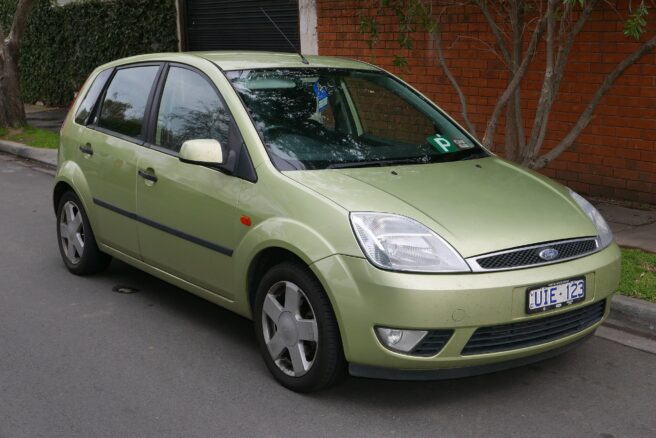
A 2005 Fiesta
Plaintiffs’ sales agreements with the Ford dealers included arbitration clauses, but plaintiffs did not sue the dealers. They sued Ford directly. Relying on a line of California cases, Ford attempted to invoke the arbitration provisions to which it was not a party because plaintiffs raised a claim that is “intimately founded in and intertwined with” a contractual provision. In July, in Ford Motor Warranty Cases, the California Supreme Court rejected the argument, finding that plaintiffs’ claims were not intimately founded in or intertwined with the sales contracts that contained the arbitration clauses.
Ford and its amici first argued that plaintiffs had agreed to arbitrate any dispute arising out of their purchase agreements. Not so, said the Court, as the contractual language clearly states that plaintiffs agreed only to arbitrate disputes between “you and us,” where “us” refers to the dealers, as well as their employees, agents, successors or assignees, not to Ford.
Ford next argues that plaintiffs are attempting to vindicate contractual rights. Not so, said the Court. Plaintiffs claims arise either through warranty or through allegations of independent conduct by Ford that has nothing to do with the plaintiffs’ contracts with their dealers. The contracts expressly disclaim any warranties and so cannot be the source for plaintiffs’ claims.

An arbitration, after the manner of Edward Gorey, image by DALL-E
The Court then explains why the California precedent on which Ford relies (Metalclad and its progeny) is inapplicable. The distinction is pretty obvious. The contracts at issue in the Metalclad line of cases contained warranties; these contracts contained none. True, the plaintiffs qualified for manufacturers’ warranties because they bought from a dealer, but Ford mistakes a but-for cause for a contractual guarantee. The sales agreements referenced warranties that the manufacturer “may provide” but that does not make the manufacturer’s warranty a contractual term. On the contrary, it demonstrates that Ford’s warranties do not arise from the contract that included the arbitration provision.
The Ford dealers were not Ford’s agents. There are no allegations that Ford had any role in the transactions between the plaintiffs and the dealers. There is thus no basis to treat Ford as a third party that can invoke the arbitration clause in the Ford dealers’ purchase agreements.