
Condé Nast is Condé Nasty When It Comes to Union Workers
I learned about Condé Nast’s toxic culture from what was once my favorite podcast, the dearly departed Reply All. That podcast was doing some excellent reporting on an explosion at Bon Appétit over editorial choices and promotion decisions at that Condé Nast publication that revealed racial insensitivity. Reply All was then forced to confront its own racial hierarchy, an exploration that eventually led to the podcast’s demise. But Bon Appétit survived its scandal and has lived to experience a new one. This one goes beyond Bon Appétit and encompasses the jewel in Condé Nast’s crown, The New Yorker, a publication to which my devotion is even more long-standing than my love for Reply All.

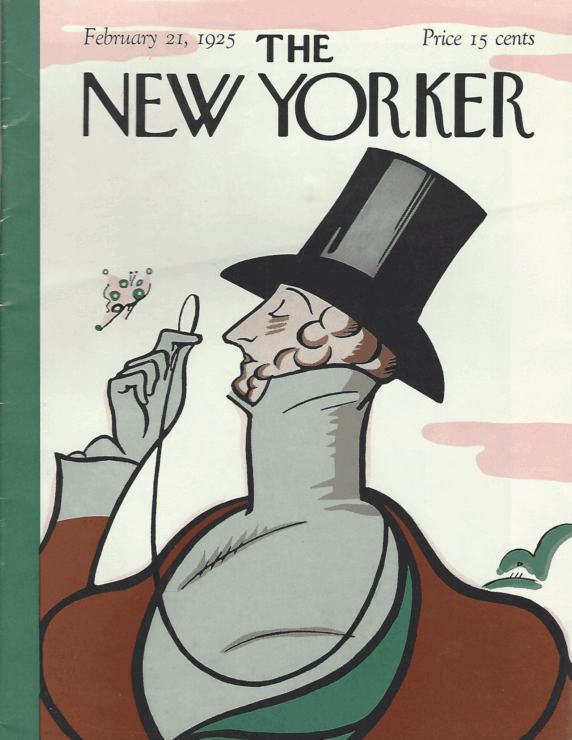
I’ve found two versions of this story. The first, from Laura Wagner, Liam Scott, and Scott Nover of The Washington Post, is about The New Yorker. That story focuses on the termination of a veteran fact-checker Jasper Lo. The New Yorker has spent the last year awash in nostalgia as it celebrates its 100th anniversary. The focus has been on its traditions of attracting truly outstanding writers, giving them artistic freedom, and creative support. The New Yorker also celebrates its editors, the earliest of whom have the status of legends. David Remnick, has served in that role since 1998. A large group of contributing writers and staff now demand to know what Mr. Remnick knew and when he knew it. He declined The Washington Post’s request for comment. I suspect that he would not respond to a request from the ContractsProf Blog.
It appears that Condé Nast fired four employees involved in a confrontation with Condé Nast’s human resources chief, Stan Duncan. The workers assembled in a hallway outside Mr. Duncan’s office and demanded a conversation. He did not have time. He did not say when he would have time, and he very awkwardly attempted to shepherd them back to their proper work spaces. The union action was a response to Condé Nast’s decision to merge Teen Vogue into Vogue. Employees are concerned that the merger is an act of capitulation to the federal governments “you too” movement, given Teen Vogue’s “left leaning political bent.”
Condé Nast defended its actions, claiming that Mr. Lo, who said nothing during the workers’ attempt to meet with Mr. Duncan, engaged in “extreme misconduct,” which is unacceptable in any professional setting. I wish that rule applied to ICE agents. Both sides have filed grievances with the National Labor Relations Board (NLRB).
Alma Avalle, a Condé Nast employee fired at Bon Appétit, told her story in The Nation. She points out that that NLRB is controlled by the current U.S. administration, and so Condé Nast is likely betting that it will fare well in that forum. She theorizes that the firings were strategic, targeting outspoken union leaders and employees known for their political exposes. She describes the “march on the boss,” in which she participated. It was a common union tactic, smaller and less confrontational than most. She explains why Condé Nast’s termination of her violated workplace rules for terminations and why she expects legal action to follow.
New York’s Attorney General Letitia James spoke at a rally on November 12th outside of Condé Nast’s offices. She concluded her speech with “Condé Nast, I’ll see you in court.” Given the state of the NLRB, that might be a better forum for the workers.