
Reefer Brief: Preliminary Injunction Denied to Investor in Cultivation Facilities
Mazin Somona has an ownership stake in a cannabis business in Michigan. He alleges that he invested $7.5 million for a 50% stake in four outdoor cultivation facilities in which Ryan Jundt also had a 50% interest. Mr. Somona alleges that Mr. Jundt and his associates engaged in fraud, financial misconduct, and misappropriation of funds. Mr. Jundt allegedly engaged in unauthorized and unilateral actions, including disruptive litigation. The case involves a lot of entities with comical cannabis-related names. We don’t encourage that kind of behavior here at the Reefer Brief.
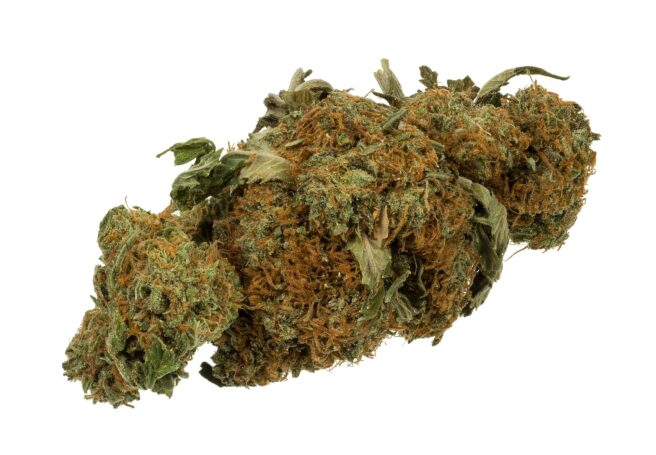
The troubles began when Mr. Somona sought an accounting of how his $7.5 million was being used. Denied that accounting, he sought to arbitrate. At that point, he alleges, Mr. Jundt ceased sales and moved 56,000 pounds of marijuana. Mr. Somona sought the immediate sale of the marijuana, with the proceeds placed in escrow pending the outcome of arbitration proceedings.
In Somona v. Jundt, the Business Court for Michigan’s Oakland County denied Mr. Somona’s motion for a preliminary injunction. In determining whether to grant the extraordinary relief that a preliminary injunction provides, the court considers the public interest, the balance of interests among the parties, likelihood of success on the merits, irreparable harm in the absence of an inunction, and whether an adequate remedy is available at law. After setting out the Michigan standard for a preliminary injunction, the Court explained why the standard was not met.
The public policy discussion focused on the doctrine of freedom of contract. Absent a showing of irreparable harm, the Court was reluctant to interfere with the parties’ agreement. Second, where the parties split their interests in the venture 50/50, plaintiff could not show that he would suffer more harm from the absence of an injunction than defendants would suffer if it were imposed.
Third, and perhaps this is essence of the Court’s disposition of the case, Mr. Somona had not established the likelihood of success on the merits. Even if the Court were persuaded by the allegations of the complaint, Mr. Somona had not made clear whey the matter should not be settled through arbitration. The Court was not persuaded by Mr. Somona’s insistence that the defendants were resisting arbitration and that the matter needed to be resolved expeditiously. Urgency alone is not grounds for granting an injunction.
Fourth and fifth, Mr. Somona had not established that he would suffer irreparable harm in the absence of an injunction. He expressed concern about continued financial irregularities and mismanagement of the business, but that would only result in monetary damages, not irreparable harm. Mind you, I get where Mr. Somona is going with this. He assumes that the businesses’ inventory will go up in smoke and the various entities will vanish behind that smoke, leaving him without recourse. I’ve been in that litigation posture, and it turns on the court’s willingness to treat the allegations of the complaint as true. That’s a steep hill to climb.
Here, the Court acknowledges that the relief Mr. Somona seeks is reasonable. The inventory has a shelf life. It makes sense to sell it before it becomes worthless and to place the proceeds in escrow until the parties’ shares can be determined. Regrettably, the Court did not think the law provided him the authority to enforce common sense. “Unfortunately, common sense does not often dictate business disputes, especially those in the burgeoning area of cannabis production and sales. Noticeably absent from the jurisprudence involving preliminary injunctions is the authority to mandate or order common sense. Indeed, that is for a Higher Power.”
Amen, brother.