
District Court Dismisses Class Action Against Amazon Prime for Making Us Pay
I admit it. Streaming has improved my life. Part of me is somewhat nostalgic for the days when Netflix DVDs showed up in the mailbox, but it took some pretty careful planning to keep the flow of watchable material coming. These days, television screens have improved, and one can have a cinema-like experience without having to leave the comfort of home. Crucial to that experience is that when you pay for subscription streaming services, you don’t have to sit through commercials. Right? Right? Right?
Actually, not so much anymore. I think streaming services ought to choose a lane. Make me pay for a subscription or make me sit through commercials. Don’t make me do both. A putative class agreed and sued Amazon Prime for making members fork over an extra $3/month to watch commercial-free movies. Because the pay increase happened mid-contract, they alleged breach of contract, breach of the duty of good faith and fair dealing, and breach of Washington Consumer Protection Act (CPA). The District Court for the Western District of Washington dismissed the action in In re Amazon Prime Video Litigation in February.

Plaintiffs’ breach of contract claim looks promising. After all, according to Section 6.e. of Amazon Prime’s Video Terms of Use (the Video Terms), “any increase in subscription fee will not apply until your subscription is renewed.” However, Amazon responds, the Video Terms must be treated separately from the terms of Amazon Prime membership (the Prime Terms). The Court concluded that both Terms apply.
The problem is that neither the Video Terms nor the Prime Terms contain any promises that members will not be subjected to ads. So the question is whether adding ads is a permissible change in membership benefits or an impermissible price increase. The court chose the former, reasoning that Plaintiffs did not purchase access to “ad-free Prime Video.” They purchased Prime Video. It happened to be ad-free when they bought it, but there were no representations that it would remain so. I guess the Court did not witness my jaw dropping with incredulity when ads suddenly started popping up in my Prime video streams.
There is also some caselaw that has allowed Amazon to remove a benefit that was promised to subscribers when they signed up. Those precedents relate to Amazon’s decision to make subscribers pay $10 for Whole Foods Markets deliveries which had previously been free and to its decision early in the COVID pandemic to suspend it rapid delivery service. Plaintiffs attempted to distinguish this case from those because plaintiffs in the earlier cases did not characterize the changes as price hikes. Well, said the Court, this isn’t a price hike either; it’s just a change in services.
Plaintiffs’ CPA claim also fails. Because they failed to persuade the Court that Amazon had engaged in an unauthorized price increase, they failed to allege any deception that could give rise to a claim. Plaintiffs were given thirty days from the Court’s February 7th ruling to amend their complaint.
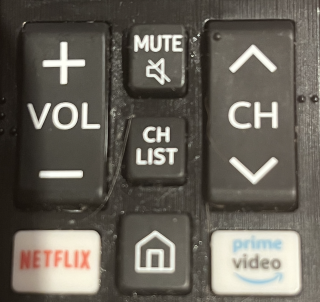
Bad news, Amazon and your advertisers. I’m not paying $3/month, and I’m not watching any commercials. I have something more powerful than your terms of service. I have a mute button (above left), and I’m not afraid to use it. And I keep my phone on my end table next to our loveseat so that I can doom scroll until the commercials end.