
The Work of the Consumer Financial Protection Bureau and the Fallout from Jarkesy

According to the CFPB, at the time that Mr. Tucci founded FDATR in 2014, he was its sole director, officer, and shareholder. Later, he hired telemarketers, but he exercised considerable control over FDATR’s operations. Among other things, Mr. Tucci was responsible for: hiring and firing employees, training telemarketers, marketing FDATR’s services, drafting training materials and telemarketing scripts, and managing the content of FDATR’s website. He monitored employees and all correspondence with the company.
The company purported to offer various benefits to its 6000 customers that it did not in fact provide. It did not reduce their loan payments or improve their credit scores. Mr. Tucci seems to have known that the loan consolidation services his company provided would not reduce loan obligations, and his company had no ability to improve its clients credit scores. For one low payment of $499 or six monthly installments of $100 each, FDATR’s clients got, it appears, nothing of value. Mr. Tucci sold his interest in FDATR for no money in 2017 but stayed on as a paid consultant until 2019, continuing to perform all the functions he had previously performed in the organization.
In the current proceeding, Mr. Tucci attempted to litigate the merits of the claims against FDATR. As all such claims had been adjudicated through a default judgment three year earlier, the Court did not consider any of Mr. Tucci’s arguments. The only issue to be determined was whether Mr. Tucci could bring forward any genuine dispute of material fact relating to whether FDATR’s liability extends to him. Because Mr. Tucci made no reference to record evidence and because the CFPB’s record evidence was substantial and compelling, the Court found that there were no genuine disputes as to material facts and awarded summary judgment to the CFPB.
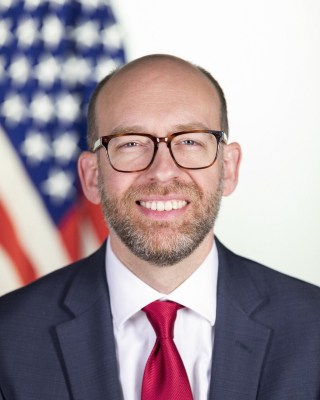
It seems worth noting in this context that this is the kind of important, common sense work that that CFPB accomplishes to protect ordinary consumers from predatory practices in the financial services industry. The current head of the CFPB, Russell Vought (right), who was one of the architects of Project 2025, is committed to dismantling the CFPB and the federal government in general. He is also the Director of the Office of Management and Budget. Next week, we will have a post about Mr. Vought’s attempts to gut the agency and the current standoff caused when courts enjoined those efforts.