
Valentine’s Day Question: Are Contestants on Reality Television Shows Employees?

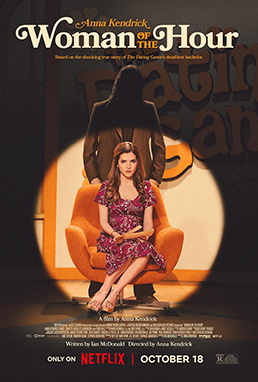
In any case, issues have arisen. According to The Times’ reporting, one contestant made public statements, complaining that the show permitted her to marry an unemployed man with a negative bank account. Such public statements violated a non-disclosure agreement (NDA) which prohibits contestants from discussing the show in public for one year after it airs. One of the entities behind the show initiated an arbitration against the contestant, seeking $4 million in damages for violation of the NDA. She and another contestant filed a complaint with the National Labor Relations Board (NLRB).
The NLRB investigated their complaints, and as part of that process, the NLRB had to determine whether theirs was an employment contract, which would give the agency jurisdiction. The agency concluded that the contestants were employees of the show, and it filed a complaint against the production companies, alleging illegal provisions in the show’s standard agreements, including a noncompete provision prohibiting cast members from giving interviews or making news media appearances on their “own behalf or for any third party” for one year after their last episode airs, and a $50,000 fine for leaving the show on grounds that the production company finds are not “legitimate.” An attorney for one of the complainants also denounces the “ever-present threat of ruinous liquidated damages,” by which I assume he means “unlawful penalties.”
If I understand anything about how reality television attracts viewers, (and it’s possible that I don’t), a claim 
The show recently paid $1.4 million to settle a class action on behalf of contestants who claimed that they were paid less than half of minimum wage for their work on the show. That settlement did not entail an admission that the contestants were employees.
The decision of the NLRB to bring the complaint could have widespread effects on the reality television industry. But also, it could not. There is now a new administration, and the current President has fired a Democratic Board member, leaving the NLRB without a quorum. He may prefer in that way. The President happens to have some experience in reality television and with NDAs, and there may be reason to think that his appointees will side with management.
I have not been able to find a tally of how many of the happy couples are still together. Readers, please let me know if you turn up any statistics. It would be nice to know if made-for-television romance is as reliable as meeting people on the Internet, or, if you are old school, in real life.
In the meantime, Happy Valentine’s Day. Isn’t love grand?