
Another Unanimous SCOTUS Decision on Arbitration
Okay, this one’s not very interesting, but can’t stop, won’t stop giving updates on SCOTUS arbitration decisions.
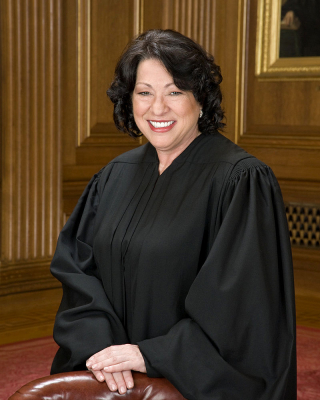
When we need someone to write a purely textualist opinion, we turn to . . . Justice Sotomayor. It took her all of six pages to hold that, no, a court cannot dismiss a proceeding when the statute says to stay it. I’m sure that one of the Court’s more rigorous textualists could have reached the same conclusion in twenty pages, replete with citations from historical dictionaries, corpus linguistics analysis, and perhaps (because we are fancy now), some references to generative AI.
There was actually a circuit split on whether courts could dismiss actions when all claims are subject to arbitration rather than stay the proceedings. So the Court was engaged in some routine but necessary housekeeping.
The second point raised in this week’s Divided Argument episode is why federal courts would do one thing when the statute commands them to do something else. Will Baude suggests that courts might do so in an attempt to improve their statistics on docket clearing. If they stay a case, it remains on the ledger until the matter is resolved. Stayed arbitrations can make it look like courts are way behind in addressing pending matters.
I don’t know enough to judge the motivation, and it would be really interested to know more. I can imagine judges (or the clerk’s office) either worrying about the apparent backlog of unresolved matters or taking pride in their efficiency in resolving cases. I can also imagine judges wanting to point to a backlog of cases in order to argue for more resources or the creation of new positions for federal district judges. Divided Argument put out a call for learned commentary, so we’ll see if they follow up.