The Economics of Empty Space
Emma Goldberg of The New York Times has a longish article on the topic. She reports that New York’s offices remain at 41% below their pre-COVID occupancy. Overall, vacancy rates have surged 70% since 2019. Real estate tycoons who think this is just a temporary setback and contemplate “cutting back on their philanthropy” a bit sound like they are engaged in magical thinking. On the other hand, a new generation of workers who consider never having to stray more than fifty feet from one’s couch a sign of professional success also seem deluded to me. But then, I am a social creature, the wonder of deans and law school staff — a faculty member who comes to work every day.
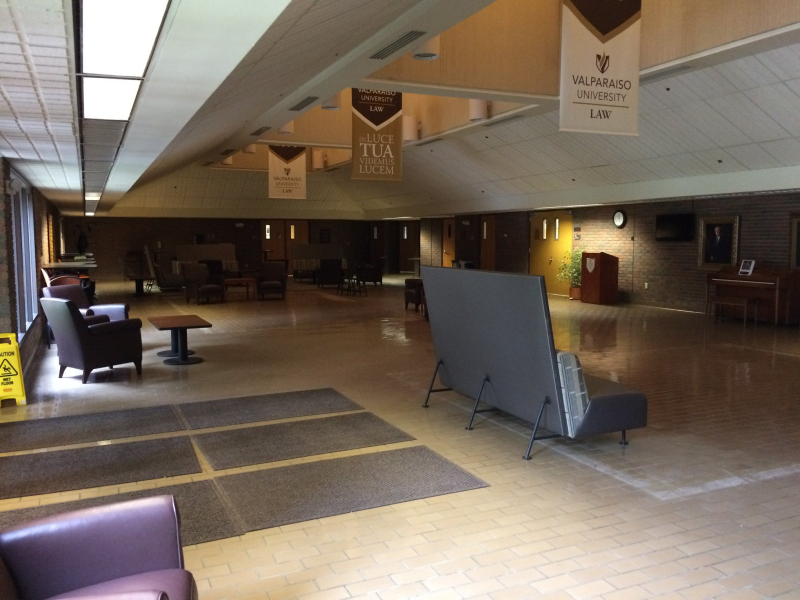
I am told by a colleague that my old law school’s lovely, recently-renovated clinic building now houses administrative offices. No surprise there. The law school moved there in our last year of teaching, when we had about fifteen students left. It’s a great space. But the latest CEO/visionary/university president has yet to find much use for the main law school building. Apparently, they are holding classes there for students who are not quite ready for college yet, notwithstanding the fact that the small town where the university is located already has a large technical college that addresses that need. I expect that they will eventually move a cryptocurrency mining operation in there, to be followed by warehousing Beanie Babies to sell on Etsy, before the building is razed so they can plant tulips.
The owners of New York real estate have a few options. They can upgrade their buildings to help companies lure their workers back to the office, with fitness centers, cafes, and other amenities. The Times article mentions “sleeker lobbies,” but who comes back to work for a swanky lobby? Or they can covert their properties into hotels or housing, but less than 10% of New York’s office buildings are suitable for such conversion. Apparently, the typical office building does not allow in enough natural light to be suitable for conversion. What does that tell us about the conditions under which people work in such offices?
The other options are: stop paying the mortgage, and let the lender have the building, or just try to wait things out and hope that people want to return to the office. The banks don’t want the properties. They are granting extensions on loans. They too can play the wait and see game.
But eventually, time will be up for the lenders as well. And they will have to write off many of those loans as losses. Let’s hope the robust economy can sustain the blow when it comes.