
Reefer Brief: HempChain Farms, LLC v. Sack
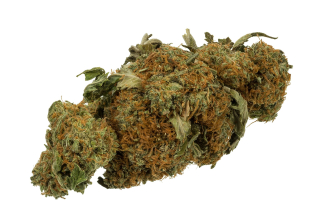
Nicolas Guarino operated HempChaim Farms LLC (HempChain) with some partners. The company brokered the sale of seeds to other farmers. Defendant Kenneth Sack owned Organic Growers, LLC, also a defendant, which sold a variety of hemp seed, BB2, to HempChain. The label for the seeds
- Identified the seeds as “BB2 Cherry Mom and Wu # 5,”
- Listed the origin of the seeds as “Western Slope,”
- Advertised a germination rate of 84%,
- Warned that certain variables could lead to hemp plants testing higher for THC content and that Defendant Organic Growers made “NO WARRANTY” as to the THC level in BB2,
- Described the seeds as “Feminized” with the explicit warning that there was possibility for intersex traits, pollen progenitors, and males, and instructed buyers to “[w]alk the fields to remove any male plants.”
HempChain purchased 200,000 BB2 seeds for $130,000. It then resold these seeds to various farmers, allegedly identifying the seeds as “02 Cherry” and “Wu” seeds for one farm and as “Cherry Wu” and “02 Cherry” for another. Two buyers of such seeds complained about low germination rates. Other buyers apparently did not complain, and Organic Growers then sent HempChain an additional 90,000 seeds “as an accommodation.” HempChain then sued Mr. Sack and the companies he controlled for losses of up to 75% of plaintiff’s and other farmers’ crops, costs of manpower needed to remove male plants, loss of biomass used for production of CBD oil, loss of revenue from sale of CBD oil, loss of revenue from the inability to produce CBD oil for resale to others, attorneys’ fees and costs.
In keeping with our Reefer Brief theme, defendants raised the issue of standing for the first time in their motion for summary judgment. HempChain tried arguing that the standing argument could not be raised at this point in the proceedings. That’s wrong, so HempChain tried arguing essentially, “Nu-uh, we do too have standing,” allegedly because it kept 5000 seeds for itself.
The court was not persuaded, and it granted defendants motion to dismiss in HempChain Farms LLC v. Sack. To the extent that HempChain alleged injury, either through the seeds it bought and did not resell or through the costs of laborers who removed male plants from fields, those costs would not amount to enough to satisfy the $75,000 requirement for diversity jurisdiction. As to the rest, HempChain did not suffer any of the harms alleged in the complaint — it did not even offer a refund to any of the purchasers to whom it sold the allegedly faulty seeds. As Mr. Guarino admitted,
Plaintiff did not lose any of its profits from brokering the seeds, did not lose any opportunities to produce or sell CBD oil, and did not suffer damages from lost biomass; Naturae and the other farmers suffered those losses. Accordingly, based upon this testimony, the Court finds that Plaintiff has not alleged that it is the real party in interest or that it has suffered a concrete or particularized injury-in-fact. As such, Plaintiff would only have standing to maintain this action if Naturae or the other farmers assigned their rights to these causes of action to Plaintiff.
Although plaintiff offered some deposition testimony indicating that some of the allegedly injured farmers thought that they had assigned their rights to HempChain, that testimony came three years after the complaint was filed, and plaintiff provided no documents establishing the nature or scope of the alleged assignments.
Plaintiff also alleged that the other farmers were intended third-party beneficiaries of its contract with Organic Growers. Even if that were true, it would be enough to establish their standing but not plaintiff’s standing.