
A New Deflategate
Tom Brady’s career will always be defined for some by the original deflategate, involving allegations that 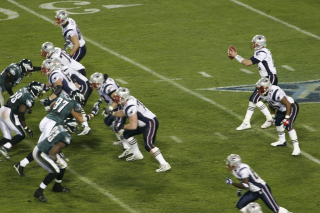
The second coming of deflategate involves the sale at auction of the football that Mr. Brady allegedly threw to Tampa Bay wide receiver Mike Evans for the latest of his touchdown passes. The football was of special value to some because, when Mr. Brady announced that he planned to retire, it became his “last touchdown” football, and it sold for $518,000. Shortly after the sale, Mr. Brady announced that he would not be retiring, deflating the value of the football considerably according to news reports.
One of my students shared this story with me, wondering if the buyer could seek rescission based on mutual mistake. My instincts are as follows, and I welcome alternative takes.
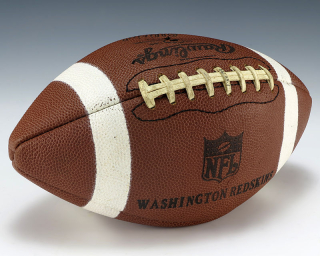
Both parties likely knew that there was some possibility that Mr. Brady would return to football. Perhaps the sale price even reflected that uncertainty. But the same auction house (Lelands) sold the football involved in Mr Brady’s first touchdown last year for just under $430,000. Moreover, Lelands advertised the sale as follows:
If there is any item in the field of sports collectibles that needs no embellishment, it is this historic piece: the final touchdown ball of Tom Brady’s career.
That statement seems to me to put the burden of the risk of mistake squarely on the seller, with a little help from the doctrine of equitable estoppel. The buyer was entitled to rely on the seller’s representations. Touchdown buyer!
But the inquiry should not end there. We would have to look at the contractual language relating to the sale. Auction houses must be aware of the danger of counterfeits or mistakes. In this case, they must be aware of the possibility that a professional athlete will come out of retirement. Does the auction house disclaim liability associated with such risks? If so, touchdown seller!
Such disclaimers might be effective as an allocation of risk, but I think the buyer could still have an express warranty claim, as such warranties are very difficult to disclaim. Lelands advertised the item as “the final touchdown ball of Tom Brady’s career.” That factual claim creates a warranty, and it may turn out to be a false statement, constituting a breach of warranty. But the buyer may have to wait until next season to find out. After all, Mr. Brady might have an off year and throw no more touchdown passes. Buyer could settle for a field goal at this point, but I’m guessing if he goes for it, he’s looking at a 21-14 victory.
H/T Jackson George