
From a Colonial Cemetery to a World War II Factory to Condos and a Spa: Environmental Concerns, Contract Releases, and Secret Underground Containers Are Just the Latest Chapter
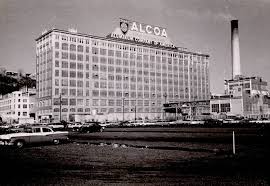
(Photo from northjersey.com)
I use a lot of hypos in my class based on undiscovered buried containers of environmental hazards, and I feel like sometimes my students wonder if this is a thing that actually happens. Unfortunately, yes, as a recent case out of New Jersey, North River Mews Associates v. Alcoa Corp., Civil Action No. 14-8129, proves.
The case centers around a piece of land on which Alcoa had operated a manufacturing facility from 1917 to 1968, a facility once so central to East Coast industry that it had actually been placed on the National Register of Historic Places. The piece of land had been vacant since 1978 and became a popular site for people looking to photograph “modern ruins.” It was eventually sold to North River Mews Associates and 38 COAH Associates (the Plaintiffs). Twenty years ago, the New York Times reported optimistically that the development deal would be a “win-win” the would help clean up the Hudson River shoreline. The site, however, has been plagued by a number of challenges and tragedies (several fires, workman injuries from freak accidents, etc.) that have led some people to talk about curses. (Well, it apparently had been built on an old graveyard dating back to colonial times.) The latest obstacle has now emerged in the form of, yes, previously undiscovered buried containers of environmental hazards.
The parties were well aware that the land would have environmental contamination, as the Times article makes clear. But the Plaintiffs had worked with the New Jersey Department of Environmental Protection and believed that the property had been remediated. In 2013, however, the Plaintiffs discovered two previously unknown underground storage tanks filled with hazardous materials. The property around the tanks seemed to indicate that at one point the tanks had attempted to be burned instead of properly disposed of. The presence of these tanks, needless to say, was never disclosed by Alcoa to the Plaintiffs.
Alcoa’s stance, however, is that the purchase contracts for the land released them from liability for various claims brought against them. The court disagreed at this motion to dismiss stage, finding that the language was ambiguous. The release in the contract stated that the Plaintiffs waived the rights “to seek contribution from [Alcoa] for any response costs or claims.” The court said that it was unclear whether the contribution language modified only response costs or whether it modified both response costs and claims. Was this a blanket release of all claims, or only a release of the right to seek contribution? This question, the court concluded, could not be determined on a motion to dismiss.
At any rate, the Plaintiffs also alleged that Alcoa concealed the presence of the underground tanks, fraudulently inducing them to enter into the contracts, and the court concluded that, if true, that would be grounds for the release to be vitiated.
This case is a great example of how long environmental issues, development deals, and contractual disputes can drag on. In 1997, the parties signed the purchase contract. Today, the parties are still trying to clean up the site and fighting over which of them ought to pay for it, with language drafted twenty years ago taking center stage. As the case continues, it will of course likely become relevant who knew about the storage tanks and when, and I am curious to see if the tanks can be dated. Since Alcoa apparently ceased using the site for manufacture in the 1960s, it will be interesting to see how much knowledge from that time period still exists. It’s the latest chapter in the history of a plot of land that seems to have been a busy place for centuries.