
Friendlier courts mean more lawsuits in Japan
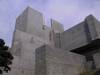 The Japanese used to be famous for the way they avoided litigation. Many observers explained that fact by references to specific aspects of Japanese culture. But the recent increase in litigation in Japan is causing some re-thinking. (Left: Japan Supreme Court.)
A new paper by Tom Ginsburg and Glenn Patrick Hoetker, The Unreluctant Litigant? An Empirical Analysis of Japan’s Turn to Litigation, finds that the increase is due in large part to reforms in the judicial system that reduce barriers to litigation, and to the downturn in the economy since the Japan bubble burst in the early 1990s. Click on the link for the abstract
ABSTRACT:
This paper describes and analyzes the rapid increase in civil litigation in Japan during the 1990s in light of existing theories of Japanese litigiousness. Using a unique dataset of prefecture-level data, it demonstrates that the 1990s increase in litigation is best attributed to two main factors: the expansion in institutional capacity for litigation traced to procedural reforms and an expansion in the formerly minuscule bar; and structural changes in the Japanese economy related to the post-bubble slowdown in growth. The paper contributes to three literatures. First, it builds on earlier institutionally oriented research on civil litigation in Japan by Haley and Ramseyer by providing new data and detail about the institutional barriers to litigation. Second, it contributes to the literature on the relationship between economic change and litigation more generally. Finally, it contributes to the empirical and comparative literature on litigation rates by providing evidence about the determinants of litigation in one country